AI News and Releases
OpenAI GPT-5 Multimodal Release and the New CXO Operating Manual for 2026
Why GPT-5 is the multimodal moment
OpenAI GPT-5 is the release where vision, voice, code and real-time conversation are first-class capabilities on a single endpoint. Previous releases offered multimodal capabilities, but they were stitched together rather than integrated. The model translated each modality into text, reasoned over the text and produced an output. GPT-5 reasons across an image, a voice query and a code context in a single turn without that intermediate translation. The latency for real-time voice has dropped to the threshold where customer-facing workflows are commercially viable. The reliability profile has matured enough for regulated industries to deploy in production.
For CXOs across the UAE, Nigeria, Kenya, Tanzania and Ethiopia, the implication is sharper than the model card suggests. Customer experience, field operations, branch banking and regulated voice-first markets all have a new viable baseline. The competitor that deploys a real-time voice agent in their contact centre at GPT-5 latency will set a customer expectation that everyone else must match within twelve months.
Where multimodal agents return the most value first
Five workflows consistently top the value list across our GCC and Africa engagements. Insurance claim intake, where the customer photographs the damage, narrates the incident and the agent produces a structured first-notice-of-loss with a recommended settlement band. Field engineering inspection, where the engineer photographs the asset, dictates the observation and the agent produces a structured inspection report with a recommended action. Customer service with screen-share, where the customer shares their screen, narrates the issue and the agent diagnoses and proposes a fix in real time. Branch banking onboarding, where the customer presents an identity document, answers voice prompts and the agent completes the KYC workflow with a confidence score for human review. Regulated voice-first markets, including Arabic, Swahili, Amharic, Hausa and Yoruba contact centres, where the agent handles the routine cases and escalates the complex ones.
Each of these workflows is a measurable P and L lever. Each also demands a new layer of governance.
The multimodal governance requirement
Multimodal agents demand modality-specific consent, modality-specific audit logging and modality-specific incident response. A voice transcript is a regulated personal data class in most jurisdictions across the GCC and Africa. An image of an identity document is a regulated personal data class with stricter retention rules. A screen-share recording captures whatever is on the customer's screen, which may include data the customer did not intend to share. A single AI governance policy is not sufficient. Multimodal governance is the next governance milestone.
- Define modality-specific consent flows. The customer must consent separately to voice recording, image capture and screen-share.
- Define modality-specific retention policies. Voice transcripts, image captures and screen-share recordings each have separate legal retention requirements.
- Define modality-specific audit logging. The audit log must capture the modality of every interaction so Internal Audit can sample by modality.
- Define modality-specific incident response. A voice transcript leak, an image capture leak and a screen-share recording leak each require a different runbook.
- Train the executive committee to interpret multimodal agent outputs critically, including modality-specific failure modes.
What changes for customer experience and field operations
Customer experience is the function most reshaped by GPT-5. The real-time voice agent collapses the average handle time on routine cases from minutes to seconds. The multimodal reasoning collapses the first-time-resolution rate gap between voice and chat. The contact centre that operates with a tiered model where the agent handles routine cases and the human handles complex ones will deliver a measurably better customer experience at a materially lower cost.
Field operations is the function with the largest unrealised value. Field engineers, insurance assessors, branch officers and regulatory inspectors all produce structured reports from messy, multimodal inputs. GPT-5 collapses the gap between the field observation and the structured report. The capacity returned to the field workforce is a direct productivity gain that flows to the P and L within a quarter.
What boards in the GCC and Africa are now asking
Five questions are showing up consistently in board reviews across the UAE, Nigeria, Kenya, Tanzania and Ethiopia. Where are we deploying multimodal agents in customer-facing workflows. What is our consent flow for voice, image and screen-share. What is our retention policy for each modality. Who is the named owner of multimodal incident response. How are we training the executive committee to interpret multimodal agent outputs.
Boards that can answer these five questions are operating at the Strategist level of the Enterprise AI Readiness Assessment. Boards that cannot are about to discover the regulatory and reputational consequences of deploying multimodal agents without modality-specific governance.
How the Applied AI MasterClasses translate GPT-5 into measurable outcomes
The AI for Customer Segmentation and Personalised Marketing MasterClass equips marketing leaders to combine GPT-5 multimodal capabilities with customer segmentation and personalised experience design. The Generative AI for CXOs and Business Leaders MasterClass builds the literacy needed to ratify the multimodal governance policy. The Applied AI and Predictive Analytics MasterClass equips business leaders to measure the P and L impact of multimodal agents in customer experience and field operations. The Adaptive Leadership in an AI-Accelerated Business Environment MasterClass prepares the executive committee to lead through the operating model change.
Cohorts run virtual on July 16 to 18 and August 13 to 15 2026, and onsite on July 23 to 25 and August 19 to 21 2026. Pricing of USD 650 is open until 30 June 2026.
Five actions in the next week
First, take the Enterprise AI Readiness Assessment Audit and capture the Outcomes and Governance pillar scores. Second, identify two customer-facing workflows where multimodal agents would add the most value and define the outcome metrics. Third, draft a multimodal consent and retention policy with the General Counsel and the Chief Risk Officer. Fourth, brief the contact centre and field operations leadership on the multimodal baseline that competitors will set within twelve months. Fifth, reserve seats in the July or August 2026 Applied AI MasterClass cohort before closes on 30 June 2026.
Frequently Asked Questions
What is genuinely new in GPT-5 Multimodal?
Three things. First, vision, voice, code and real-time conversation are first-class capabilities on a single endpoint, not separate APIs. Second, latency for real-time voice has dropped to the threshold where customer-facing workflows are viable. Third, multimodal reasoning is genuinely multimodal, the model reasons across an image, a voice query and a code context in a single turn rather than translating each modality into text first.
Where does this matter most for enterprise workflows?
Customer experience, field operations, regulated voice-first markets in the GCC and Africa, and any workflow where the user input is naturally multimodal. Insurance claim intake with photos and voice. Field engineering inspection with images and dictated notes. Customer service with screen-share and voice. Branch banking with voice and identity documents.
What is the governance posture for multimodal agents?
Multimodal agents demand modality-specific consent, modality-specific audit logging, and modality-specific incident response. Voice transcripts, image captures and screen-share recordings each have separate legal, regulatory and customer-trust implications. A single AI governance policy is not sufficient. Multimodal governance is the next governance milestone.
References and further reading
About the author
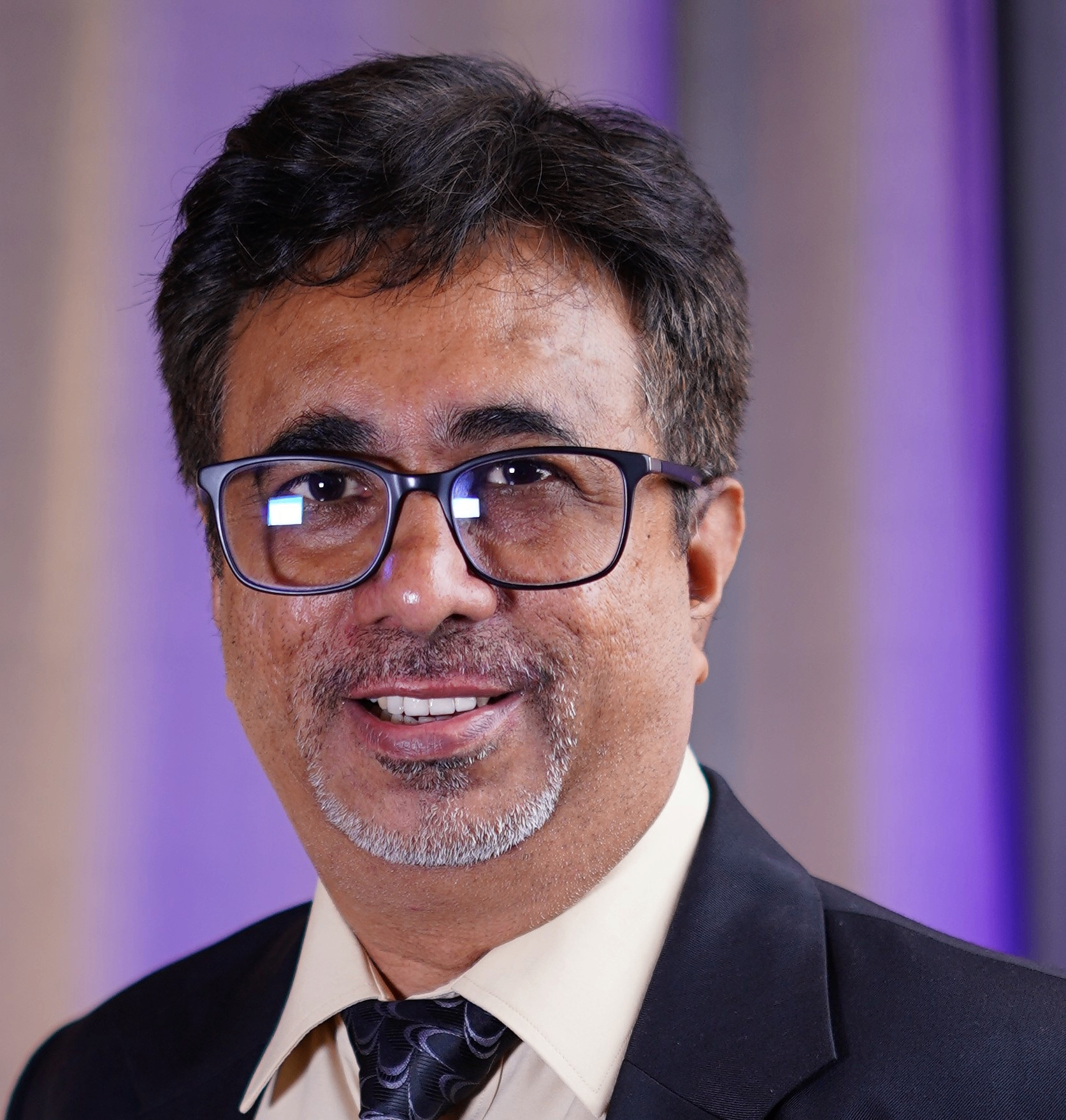
Ganesh Shevade
Co-Founder and CEO, AltaFuturis Solutions
Ganesh Shevade is Co-Founder and CEO of AltaFuturis Solutions and the curator of the AltaFuturis Applied AI MasterClasses for CXOs and senior leaders across the UAE, Africa, India and the United States. He works with boards and executive teams on Applied AI strategy, Generative AI adoption, Microsoft 365 Copilot rollouts, predictive analytics, and AI governance. Cohorts are delivered by AltaFuturis senior expert faculty alongside ConsultValiant FZC's Dubai-based GCC and Africa faculty.
Related articles
AI News and Releases
NVIDIA Blackwell B200 and Why Compute Economics Now Belong on Every Board Agenda
NVIDIA Blackwell B200 is the chip that takes inference cost from a procurement line item to a board agenda item. Sovereign AI in the UAE, Nigeria, Kenya, Tanzania and Ethiopia is no longer a policy aspiration. It is a commercially viable architecture choice. The boards that internalise the new compute economics in 2026 will set the AI cost structure for the next decade.
Read articleAI News and Releases
Anthropic Claude 4 Opus and the Rise of Agentic Reasoning for CXO Decision Workflows
Anthropic Claude 4 Opus is the first model where extended-thinking is a default, not an option. Claude can now plan, call tools, evaluate intermediate results and revise its plan inside a single response. The implication for CXO decision workflows is structural. The board pack, the risk memo and the M and A target screen are no longer drafted by a human and edited by an agent. They are increasingly drafted by an agent and edited by a human.
Read articleAI News and Releases
Microsoft Copilot Scout and the Rise of Autonomous Research Agents Inside the Enterprise
Microsoft Copilot Scout collapses the deep-research cycle from days to minutes. It reads across the Microsoft Graph, your connected enterprise systems and the open web, and produces a board-grade briefing with citations. The strategic question for CXOs is not whether to deploy Scout. It is what your governance posture looks like when a research agent can touch every sensitive document in your estate.
Read articleBrowse related categories
Free Assessment
Enterprise AI Readiness Test
10 quick questions. Under 4 minutes. Get a personalised AI Readiness score, maturity level and recommended MasterClasses, with a branded PDF report delivered to your inbox.
On-Demand
Free Foundation Webinar
New to Applied AI? Watch our complimentary 45-minute foundation webinar. Understand what Generative AI means for your function, your industry and your career in the UAE, Africa and beyond.
Featured Onsite Cohorts, July 2026
Applied AI and Predictive Analytics, Onsite MasterClass in East Africa
Join our three day Onsite MasterClass on Applied AI and Predictive Analytics, From Data Insights to Scalable Growth. Delivered by AltaFuturis senior expert faculty. Standard Fee USD 1,200, USD 1,200 per participant.
Nairobi, Kenya
23 to 25 July 2026
Three day onsite workshop in Nairobi for Business Leaders, Functional Heads and Cross-Industry Professionals across Kenya and East Africa.
Reserve seat, NairobiAddis Ababa, Ethiopia
29 to 31 July 2026
Three day onsite workshop in Addis Ababa for Business Leaders, Functional Heads and Cross-Industry Professionals across Ethiopia and the Horn of Africa.
Reserve seat, Addis AbabaPersonalised Guidance
Have Questions? Send Us an Enquiry
Not sure which MasterClass fits your team? Want a bespoke in-house proposal for your organisation in the UAE, Nigeria, Kenya or elsewhere? Tell us your goals and we will recommend the right programme, format and schedule.
Recommended MasterClass for this topic
AI for Customer Segmentation and Personalised Marketing
Built for CMOs, CX and Growth leaders. USD 800. Live cohorts and bespoke in-house formats available.
Continue exploring
- Take the free Enterprise AI Readiness Diagnostic
- Browse all six Applied AI MasterClasses
- See MasterClass cohorts in UAE
- Onsite MasterClass, Nairobi Kenya, 23 to 25 July 2026
- Onsite MasterClass, Addis Ababa Ethiopia, 29 to 31 July 2026
- About curator Ganesh Shevade, Co-Founder and CEO, AltaFuturis Solutions
- Talk to AltaFuturis about a bespoke cohort
- Why AltaFuturis Applied AI MasterClasses